Dependable moisture control for porosity-free extrusion, molding, and sponge rubber.
Calcium Oxide
Moisture is one of the most common and costly causes of rubber defects. Water carried in by fillers, process oils, and humid storage turns to steam during vulcanization, leaving behind porosity, blisters, and rough surfaces. These defects drive up scrap and slow production.
Our high-purity calcium oxide (CaO) desiccant removes this moisture during mixing, before it can cause problems at cure. CaO reacts chemically with water and locks it permanently into calcium hydroxide. Unlike physical adsorbents, it won’t release moisture again at processing temperatures.
CaO is added during mixing in an internal mixer or on a two-roll mill. It is typically added with or shortly after the fillers, so it can capture their moisture as early as possible. The right loading depends on your compound’s moisture content, filler level, and cure method. Our technical team can help you dial in the dosage for your formulation.
Applications
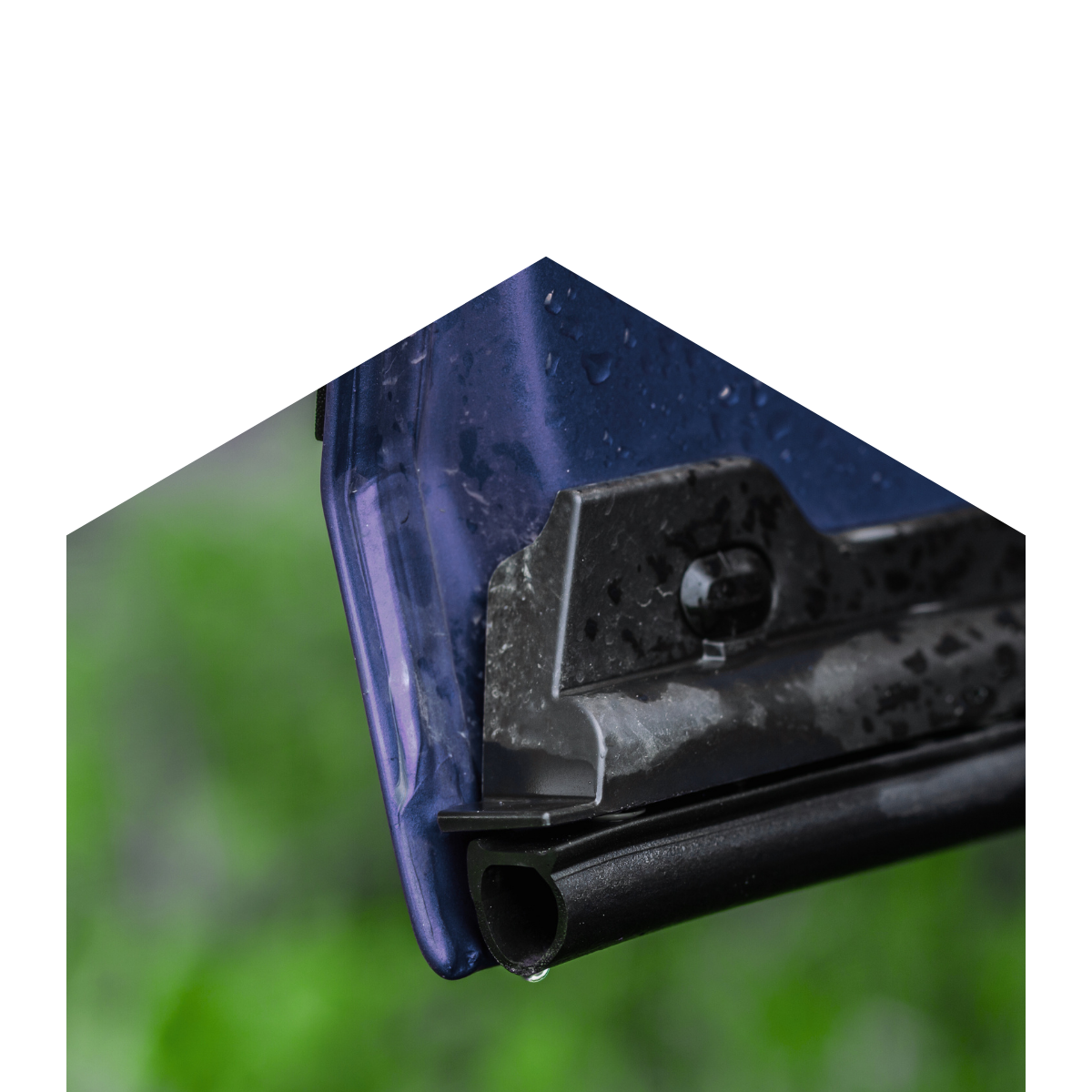
- Continuous-cure extrusion. Automotive weatherstrip, window and door seals, glazing gaskets, and tubing are often cured in hot-air, UHF/microwave, or salt-bath lines. With no mold pressure to hold steam in solution, even small amounts of moisture create porosity. Calcium oxide is a proven safeguard for these unpressurized cures.
- Sponge and foam rubber. Closed-cell gaskets, expanded profiles, and insulation depend on a controlled cell structure. Removing stray moisture means expansion comes only from your blowing agent, which gives uniform cells, consistent density, and a clean skin.
- Molded goods. In compression, transfer, and injection molding, a calcium oxide desiccant helps prevent porosity and surface defects, especially in thick sections and highly filled compounds.
- Calendered sheet. Removing moisture helps prevent blistering and delamination in sheeting, roofing membranes, and coated fabrics.
Eliminate Moisture Defects in Your Next Batch. Talk to our team about ACE-CAL 90 samples, pricing, and dosage recommendations for your compound.
Benefits
- Better part quality. It delivers smooth surfaces and uniform texture in extruded, molded, and sponge rubber, without moisture-related porosity.
- Higher throughput. Consistent moisture control lets lines run faster with fewer interruptions.
- Lower scrap rates. Fewer rejected parts mean better yield and lower cost per part.
- Easy, cleaner handling. The naphthenic oil treatment reduces dust in the mixing room and protects the CaO from premature reaction with humid air.
- Fine particle size. With 99% passing 325 mesh, it disperses evenly without leaving specks or surface defects in thin-wall profiles.
Pair With
Contact Us
Please fill out the form and we will get back to you shortly.